How to Create a Pocket Nature Journal: A Practical Field Guide for Daily Observations
A concise, step-by-step method for making and using a pocket nature journal to record small observations at home, on walks, or from a windowsill—followed by useful variations and troubleshooting tips.
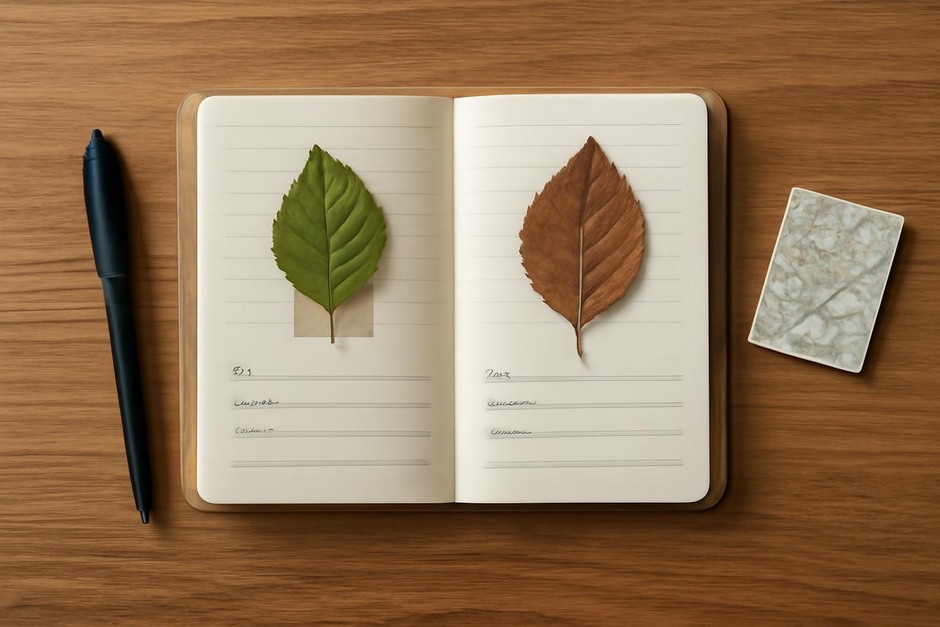
This field guide shows how to make and use a small, portable nature journal for attentive daily observations. The method emphasizes short, repeatable entries you can keep in a pocket or bag and return to over weeks and seasons. Use it to notice plants, weather, birds, insects, and tiny changes at home or nearby paths.
Materials and setup
What to carry
- One small notebook (A6 or similar) with plain or lightly gridded pages.
- A reliable pen and a pencil for quick sketches and erasable notes.
- A folded paper envelope or small zip bag for small specimens (fallen leaves, petals).
- A small ruler or index card for scale.
- An optional glue stick and a few strips of paper tape for attaching finds later.
Step-by-step method
- Set a simple header. At the top of the page write the date, location, and time. If you like, add a single weather note (sunny, overcast, light rain, wind direction).
- Choose one focal subject. Limit each short entry to a single plant, insect, sound, cloud formation, or domestic detail (a kitchen basil leaf, a windowsill spiderweb). Avoid trying to capture everything; focused notes build clearer patterns.
- Observe for two minutes. Spend exactly two minutes watching or smelling or listening to the subject. Keep the timer on your phone or watch. Two minutes is long enough to notice small things and short enough to make the practice sustainable.
- Record three quick details. Write three short lines about what you observed: one sensory detail (color, texture, sound), one behavior or change (a bird tapping, a leaf curling), and one question or comparison (Why is this leaf spotted? Has it changed since last week?).
- Make a tiny sketch or scale note. Spend 30–60 seconds drawing a rough outline or noting size with your ruler or index card. The sketch need not be perfect—its purpose is to anchor memory.
- Attach a specimen or micro-sample when appropriate. If you find a fallen leaf or petal and local ethics allow it, place it in your envelope and later tape or glue a small piece to the journal page with a note about where it came from. Avoid taking living material from private property or protected plants.
- End with a short trigger for next time. Write one line that tells you what to look for at your next visit: a stage of growth, a bird returning, or a change in scent.
Repeat this sequence as often as you like. The key is consistency: a few focused entries per week will reveal patterns much faster than sporadic long notes.
Variations
- Windowsill edition: Keep the pocket journal near a favored plant group. Record daily light changes, watering effects, and new shoots. Use a weekly index page to summarize one-line trends.
- Walk-and-wildlife edition: Use the same structure but add a short map sketch of where you saw the subject. Over time you’ll build a mental map of recurring spots.
- Family or group version: Give each participant a page to fill within five minutes; compare entries at a set time each week. This variation makes observation a shared ritual and helps children learn focused attention.
- Seasonal tracker: Reserve a section for phenology (first bloom, first frost, arrival of migratory birds). Use the trigger line to predict next-season events and test those predictions the following year.
- Artful variant: Use different colored inks or small watercolor washes to record mood and light. This turns the journal into both an observation log and a creative diary.
Troubleshooting
- Blank-page hesitation: If you struggle to start, set a two-minute timer and promise yourself only to write one sentence. The act of beginning usually leads to a full entry.
- Too much information: If entries become overwhelming, return to the three-detail rule. Fewer, repeated kinds of notes make long-term patterns visible.
- Specimen damage or mold: If you glue damp material into the journal, it may encourage mold. Dry specimens flat between absorbent paper for a day before attaching, or keep samples in the envelope until you can properly mount them.
- Running out of time while out: Take a single-word or one-line note and a photo as a placeholder. Later, transfer that memory into a fuller entry when you have two quiet minutes.
- Losing the journal: Make a habit of slipping the notebook into the same pocket or shelf after each use. Keep one backup notebook in a home drawer marked with the current month.
Over weeks and months, a pocket nature journal becomes a quiet archive of small discoveries. The practice trains your eye, refines your questions, and rewards patience with patterns that deepen your relationship to the places you move through each day.